Fairy 3D Shadow Box: A Versatile Graphic Design Asset for Modern Branding
As a brand designer and content marketer with years of experience crafting visual identities for small businesses, startups, and digital creators, I always look for design assets that balance creativity with usability. The Fairy 3D Shadow Box caught my eye as a unique and high-quality addition to any creative toolkit. Let’s dive into how this SVG-based shadow box can enhance your marketing visuals and where it might need careful handling.
Elegant Simplicity Meets Magical Appeal
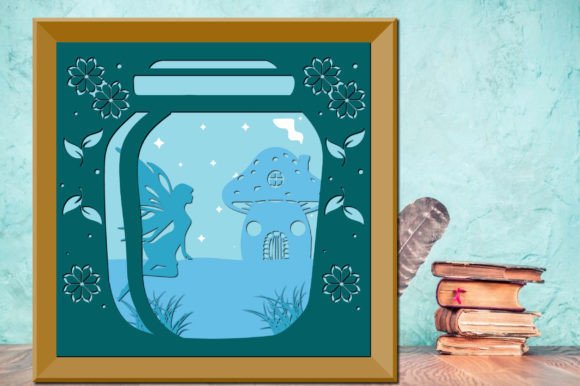
The first impression of the Fairy 3D Shadow Box is one of refined whimsy. It combines delicate, illustrative elements with a clean, three-dimensional structure that feels both magical and modern. This duality makes it ideal for brands in lifestyle, wellness, children's products, or fantasy-themed content. The emotional tone it brings is gentle yet captivating—perfect for creating an aura of enchantment without overwhelming the viewer.
I found the design particularly suitable for casual branding and handmade product promotions. Its soft curves and intricate details suggest craftsmanship and care, which can be especially effective when showcasing artisanal goods or seasonal offerings. However, its polished finish also allows it to blend into premium visuals, making it adaptable across different brand tones and audiences.
Performance in Real Marketing Projects
In real-world applications, the Fairy 3D Shadow Box shines in several key areas:
- Social Media Graphics: As a decorative element in Instagram posts or Pinterest pins, it adds a touch of elegance and draws the eye toward the main message or call-to-action.
- Product Launches: When used in hero images or campaign headers, it creates a sense of anticipation and exclusivity, especially for beauty, fashion, or gift items.
- Editorial Design: In blog graphics or newsletter banners, the shadow box acts as a subtle frame, helping to organize information while maintaining a cohesive aesthetic.
- Packaging Inserts: It works beautifully as an accent on packaging labels or inserts, offering a professional yet artistic feel that enhances perceived value.
- Canva Templates: Integrating this asset into templates gives users more flexibility to create branded social media covers, flyers, or promotional banners quickly and consistently.
- Email Banners: Used sparingly, the shadow box can highlight special offers or lead magnets with a visually appealing border that doesn’t distract from the text.
Its SVG format ensures crisp scalability, so whether you're printing a poster or resizing for mobile ads, the quality remains intact. The PNG files at 300ppi are equally valuable for print materials like merchandise tags or event flyers.
Supporting Key Marketing Goals
One of the most important aspects of using any graphic design asset is how it contributes to broader marketing goals. Here’s what I noticed about the Fairy 3D Shadow Box:
- Stronger First Impressions: The magical, yet sophisticated look immediately grabs attention and sets a positive tone for your brand.
- Clearer Visual Hierarchy: When placed strategically around key content, it helps guide the viewer’s eye and emphasize important messages or product features.
- More Consistent Branding: By reusing this design element across various platforms, you reinforce brand identity and maintain visual continuity.
- Better Product Presentation: Wrapping product photos or icons inside the shadow box elevates their presentation, adding a layer of professionalism and polish.
- Improved Audience Trust: The high-quality rendering and clean lines contribute to a trustworthy, well-designed appearance that aligns with professional branding standards.
- Stronger Recognition: Over time, repeated use of the shadow box can become a signature visual cue for your brand, aiding in memorability and recall.
- Emotional Connection: The fairy theme naturally evokes wonder and imagination, which can help build a deeper connection with your audience—especially in niche markets like fantasy, art, or lifestyle brands.
- Better Engagement: Whether on Facebook ads or Instagram Stories, the design encourages viewers to pause and engage with the content due to its visual interest.
- Memorable Campaign Visuals: Incorporating this asset into your design bundle can make your campaigns stand out in a crowded digital space.
Best Use Cases for Fairy 3D Shadow Box
This design asset is incredibly flexible, but there are specific scenarios where it truly excels:
- Hero Graphics: Place the shadow box behind a headline or logo to give your page or ad a dramatic focal point.
- Campaign Headers: Wrap your key messaging inside the box to create a unified and visually rich header for landing pages or website sections.
- Branded Templates: Integrate it into your Canva template library to ensure every new graphic maintains a consistent and magical vibe.
- Printable Promotions: Ideal for printable coupons or discount codes, where it can act as a decorative container that still keeps the layout clear and readable.
- Decorative Brand Elements: Use it subtly in background designs or corner accents to add texture and depth without cluttering the composition.
If you’re working on seasonal promotions or event flyers, this shadow box could serve as a recurring motif that ties your entire visual campaign together. It also pairs well with illustrations and clipart, allowing you to build layered, engaging editorial layouts or web design elements.
Where Caution Is Advised
While the Fairy 3D Shadow Box is a powerful tool, it’s not universally appropriate. Consider these limitations:
- Formal Corporate Branding: The whimsical nature may clash with a more serious, business-oriented brand identity.
- Dense Information Layouts: Avoid overusing it in complex infographics or data-heavy presentations where clarity is paramount.
- Small Mobile Graphics: At smaller sizes, the intricate details may become lost or pixelated if not optimized properly.
- Low-Contrast Backgrounds: Ensure it has enough contrast against your chosen backdrop to remain visible and impactful.
- Overly Minimal Brands: If your brand aesthetic leans heavily on simplicity, this asset may introduce unnecessary visual noise.
- Text-Heavy Ads: Use it as a background or accent rather than a foreground element when text takes center stage.
- Competing Visual Elements: Be mindful of other design components—this shadow box should complement, not overshadow, your core message.
It’s important to test how it looks across all intended platforms before finalizing its use in paid campaigns or client deliverables. Always confirm commercial licensing to avoid legal issues, especially when selling digital products or using it in marketing materials for clients.
Designer Tips for Integration
Here are some practical notes for integrating the Fairy 3D Shadow Box into your workflow:
- Test with Your Color Palette: Import the design into your preferred editing software and apply your brand colors to see how it reacts.
- Check Black & White Usage: Evaluate how the shadow box appears in grayscale—important for print or monochrome displays.
- Place in Real Campaign Mockups: Try it in actual mockups for websites, emails, or social media to assess its effectiveness in context.
- Preview on Mobile Screens: Make sure it doesn’t distort or become too busy when viewed on smaller devices.
- Test Readability in Small Sizes: Resize the design to check legibility and impact at lower resolutions.
- Font Pairing Experiments: Try combining it with serif fonts for a classic look, sans-serif for modern minimalism, script or handwritten fonts for a personal touch, and display fonts for bold statements.
- Review Spacing and Balance: Ensure the design doesn’t disrupt the overall layout by overcrowding or misaligning other elements.
A Standout Addition to Creative Marketplaces
For digital sellers and creative entrepreneurs, the Fairy 3D Shadow Box is a strong contender in the creative marketplace landscape. It fits well within a design bundle aimed at lifestyle or fantasy niches and can be repurposed across multiple formats—printable design, web design, and even merchandise like stickers or apparel accents.
What I appreciate most is its adaptability. You can customize it with your brand colors, scale it for different needs, and even animate parts of it in digital product visuals for added flair. For bloggers and publishers, it’s an excellent way to elevate blog headers or article thumbnails, ensuring they pop in feeds and attract clicks.
Final Thoughts for Content Creators and Marketers
The Fairy 3D Shadow Box isn’t just another 3D SVG—it’s a strategic visual tool that supports storytelling and brand expression. It’s best suited for brands looking to communicate warmth, creativity, and a touch of magic in their visual content. From small business branding to content marketing efforts, it adds a level of sophistication that helps your message resonate more deeply.
However, like any design asset, it requires thoughtful placement and consideration of your target audience and platform constraints. Used correctly, it becomes a quiet powerhouse in your visual arsenal—enhancing brand identity, boosting audience trust, and contributing to a more memorable marketing campaign.
If you’re building a set of shadow boxes for a creative design project or want to refresh your social media graphics, this 3D SVG file is worth exploring. Just remember to evaluate its role in each piece of content carefully and ensure it aligns with your brand’s voice and visual strategy.